Planning
Schedules that help you meet the completion date
For which projects
When to entrust us with your schedule
Ideally from the design phase, but not only then: planning can be commissioned from us on its own, at the outset or partway through the project.
-
Before you commit
Check that your target date is achievable, order lead times and permit timescales included.
-
An existing team
Consultants already chosen? We draw up the master construction schedule alongside them.
-
A fixed opening date
Boutique or showroom: we coordinate the contractors and keep to your deadlines through to opening.
-
A building that stays occupied
Renovation or vertical extension without rehousing the residents: we phase the works.
-
A building to commission
We plan the transition to operation, handover included.
-
A site already running late
Before reacting, you need to measure the actual delay: that is where we start.
They have trusted us
Architects, developers, property managers, public institutions and private owners entrust us with the management of their projects in French-speaking Switzerland.
What you gain
Time is won on the schedule
What worries youWhat we do
-
I am given a date, with nothing to prove it is achievable.
An outline schedule tests the target date and reveals the lead times that cannot be shortened: orders, permits.
From the design phase
-
I only find out about delays when it is too late.
The schedule is checked every week against observed progress. Slippage shows up three to four weeks before it has any effect.
Checked every week
-
On site, the contractors get in each other’s way.
Each trade knows where and when it is working: the construction schedule is broken down by zone, and a coordination schedule aligns the consultants.
-
A contractor is demanding more time.
We assess its request for an extension of time, based on the causes of the delay and who is responsible.
Critical path checked
-
I do not know when I will be able to operate the building.
Commissioning and handover have their own schedules, drawn up in advance.
Through to operational handover
Our role
Our planning services
Planning starts in the design phase. It continues on site with the weekly progress check, through to the commissioning schedules.
-
During design
An outline schedule tests whether a target date can be met. A coordination schedule then keeps all the consultants working to the same timetable.
Before you commit
-
At the start of works
The master construction schedule breaks the works down by trade and by zone. Detailed schedules refine it by phase or technical package, and they identify the critical path.
For the whole construction phase
-
Every week
The schedule is checked against actual progress and the timetable updated. The critical path is tracked: it is what determines the completion date.
Through to handover
-
At the end of construction
We plan the testing and handover of the works, then the transition to operation.
Through to handover of the building
How we work
Schedules that help you decide
A good schedule is a decision-making tool. It shows, week after week, where the completion date will be won or lost.
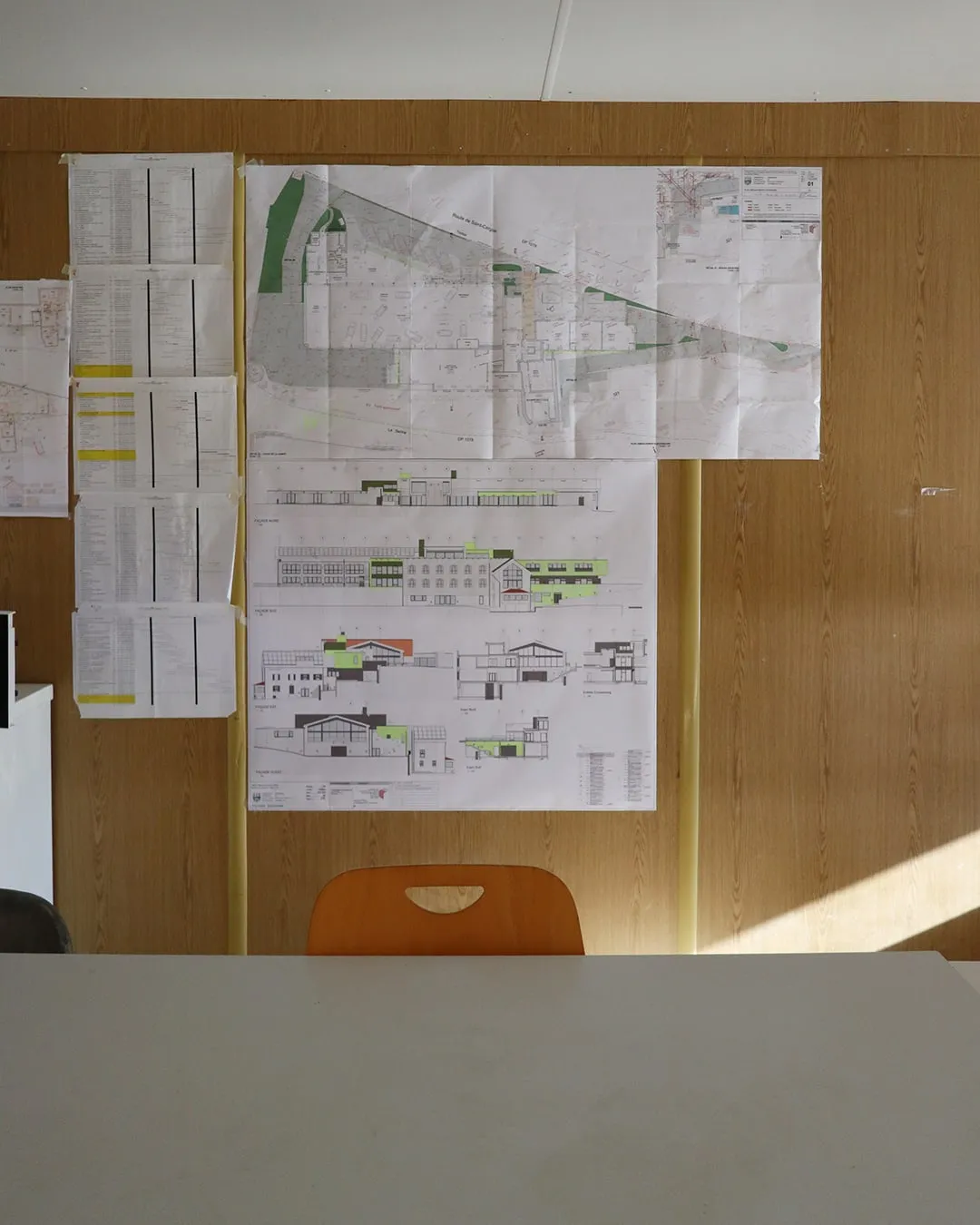
- We work in MS Project, with a template scaled to the size of the project.
- Each task has a duration negotiated with the contractor concerned and an explicit predecessor.
- A named person answers for each task.
- We check the schedule against the progress verified in meetings, not against what is merely reported.
Projects
The sites we plan
In Geneva, a renovated apartment building was delivered in two phases so as not to displace its tenants. In Chêne-Bourg, the vertical extension was carried out in three stages, above 20 occupied apartments.
6 of 12 projects
-
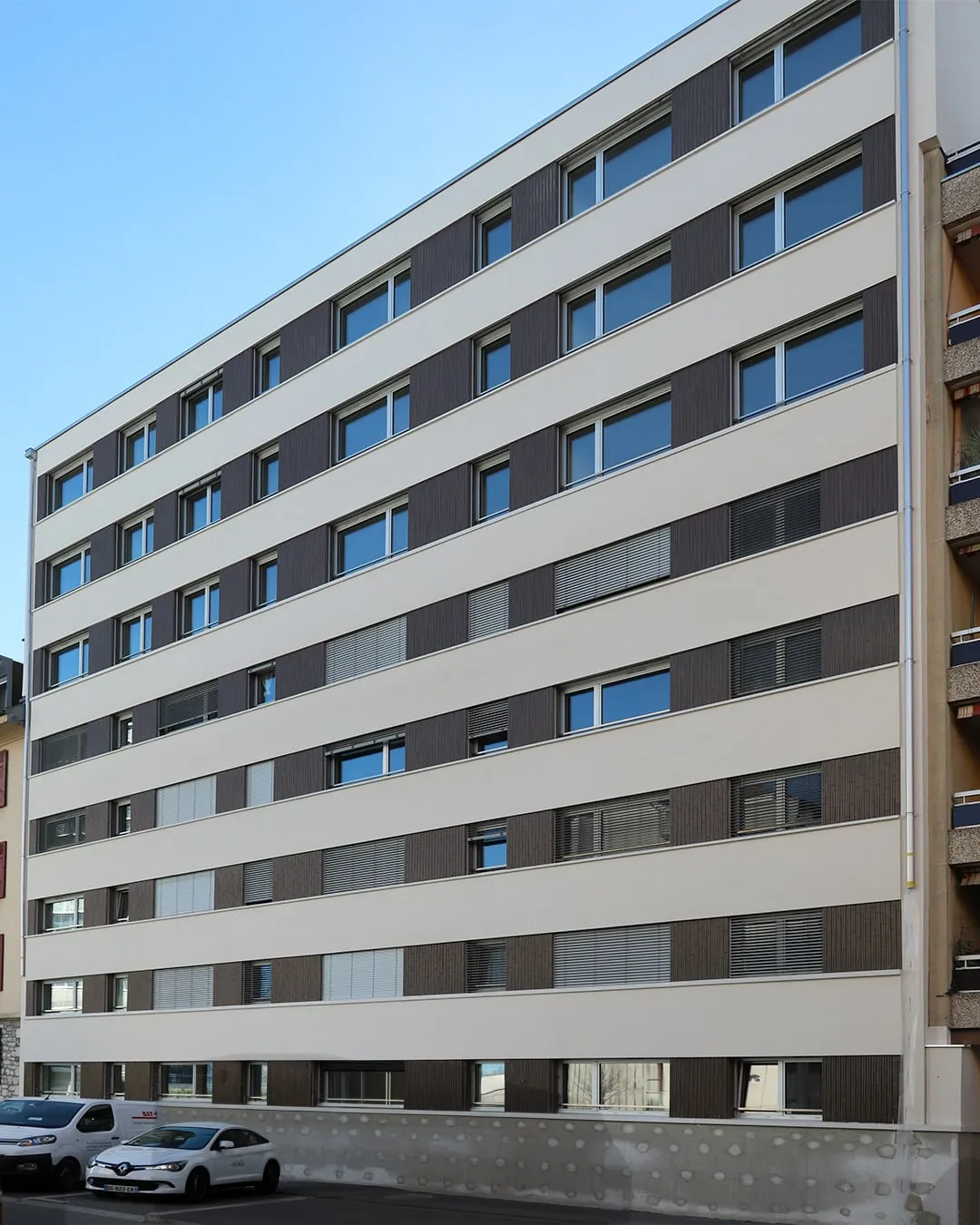 Energy renovation
Peillonnex 36
Chêne-Bourg
Completed in 2026
Rental building, 32 apartments
View project
-
 Energy renovation
Gustave Moynier 2
Geneva
Completed in 2024
Rental building: 12 apartments renovated, 3 created in the attic
View project
-
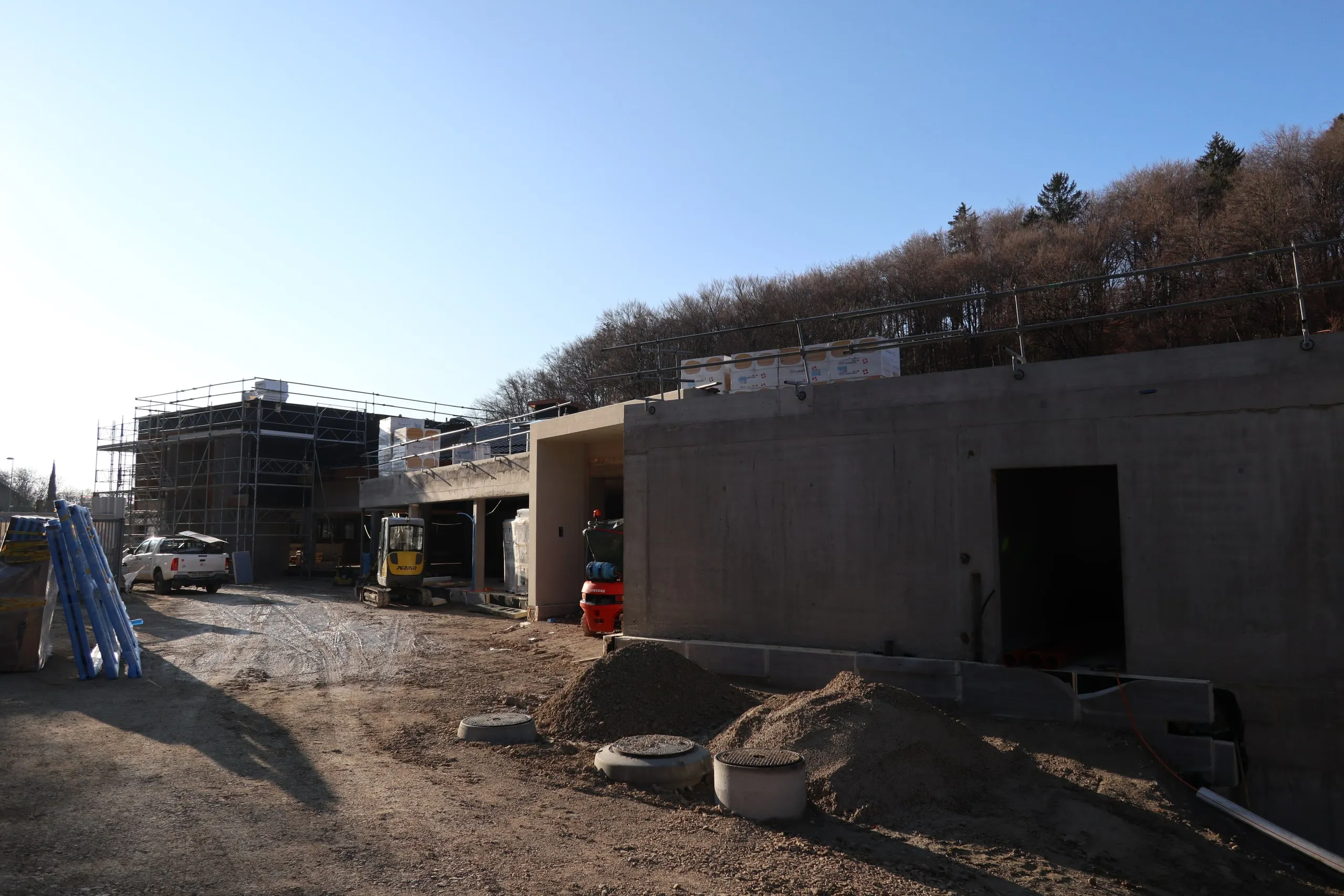 Industrial & commercial
La Remise de Begnins
Begnins
Works in progress, completion in 2027
4 500 m²
View project
No projects have been published yet for this project type.
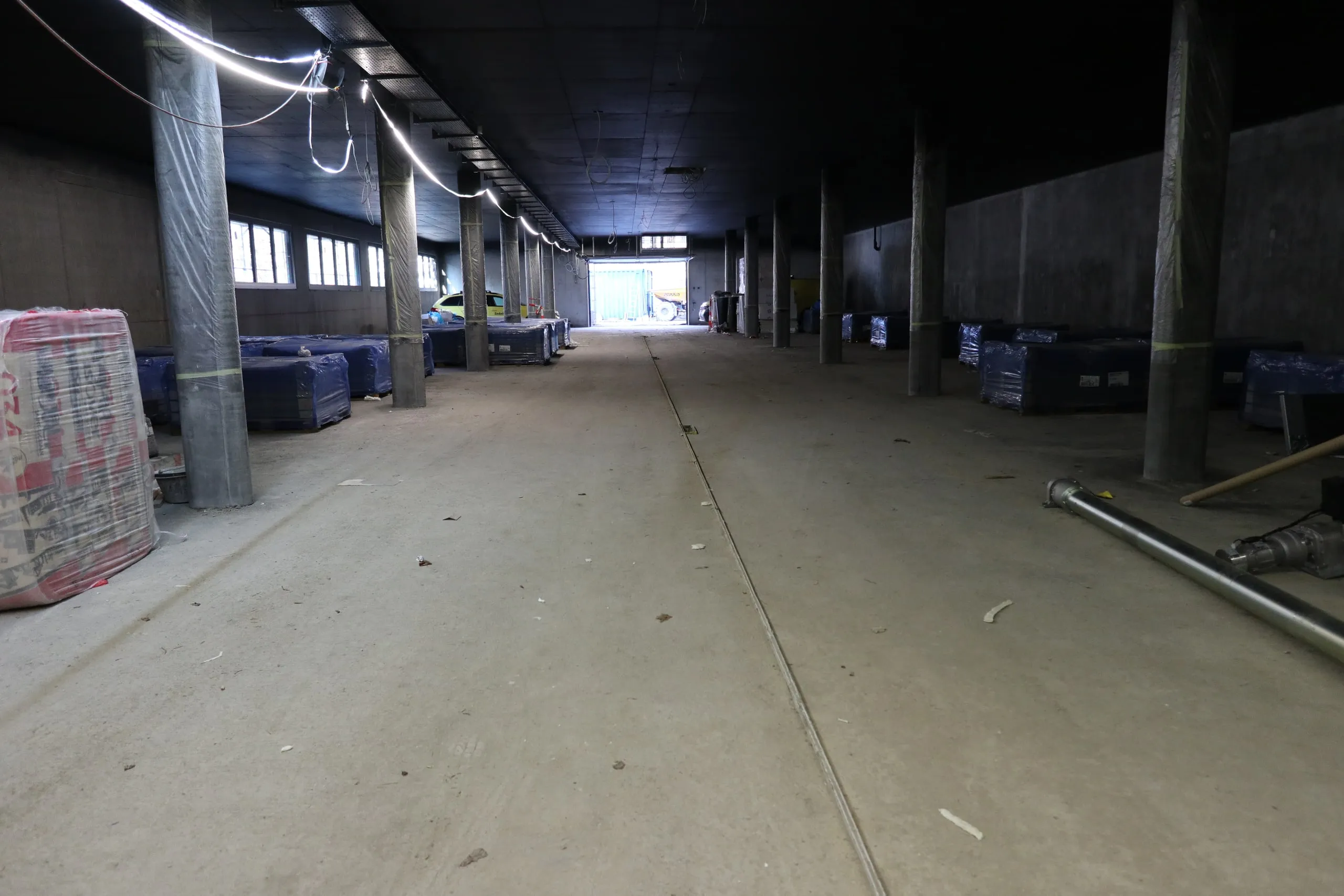
Site running late
Is construction running late? Let us start by measuring the delay.
Not every delay moves the completion date. But it has to be measured first, against actual progress.
- First, measure the actual delay, not the one the contractors announce.
- Then check whether it affects the critical path: only a delay on that path moves the completion date.
- Find its causes and who is responsible, then reorganise what comes next with the contractors.
- Has your schedule stopped driving the works? We take it over.
Your questions about planning
When should a project schedule be drawn up?
As early as possible. An outline schedule drawn up from the design phase lets you check that a completion date is achievable before you commit, and identify the lead times that cannot be shortened, particularly for orders and permit procedures.
What should you do when a site is running late?
First, measure the actual delay, against the progress verified in meetings, and check whether it affects the critical path: only a delay on the critical path moves the completion date. We then analyse the causes and who is responsible, and reorganise the rest of the schedule with the contractors. Where applicable, we also assess their requests for an extension of time.
Can you take on the planning only?
Yes. Planning can be commissioned from us on its own, for example an outline schedule to test a target date before you commit, or a master construction schedule for an existing team. We also take over schedules that can no longer be used to manage the site.
Let us talk about your project
Describe your project in a few lines. We will get back to you within 48 working hours to arrange a first conversation, without obligation.
Thank you, we have received your enquiry
We will get back to you within 48 working hours.
Your message could not be sent.
Please try again in a moment, or write to us at info@akbproject.ch.
Our other services
-
Owner’s representation
Making day-to-day decisions when dealing with building professionals: we take on that role for you.
-
Cost management
Knowing what a project will cost, and knowing it early, then keeping to that budget through to the final account.
-
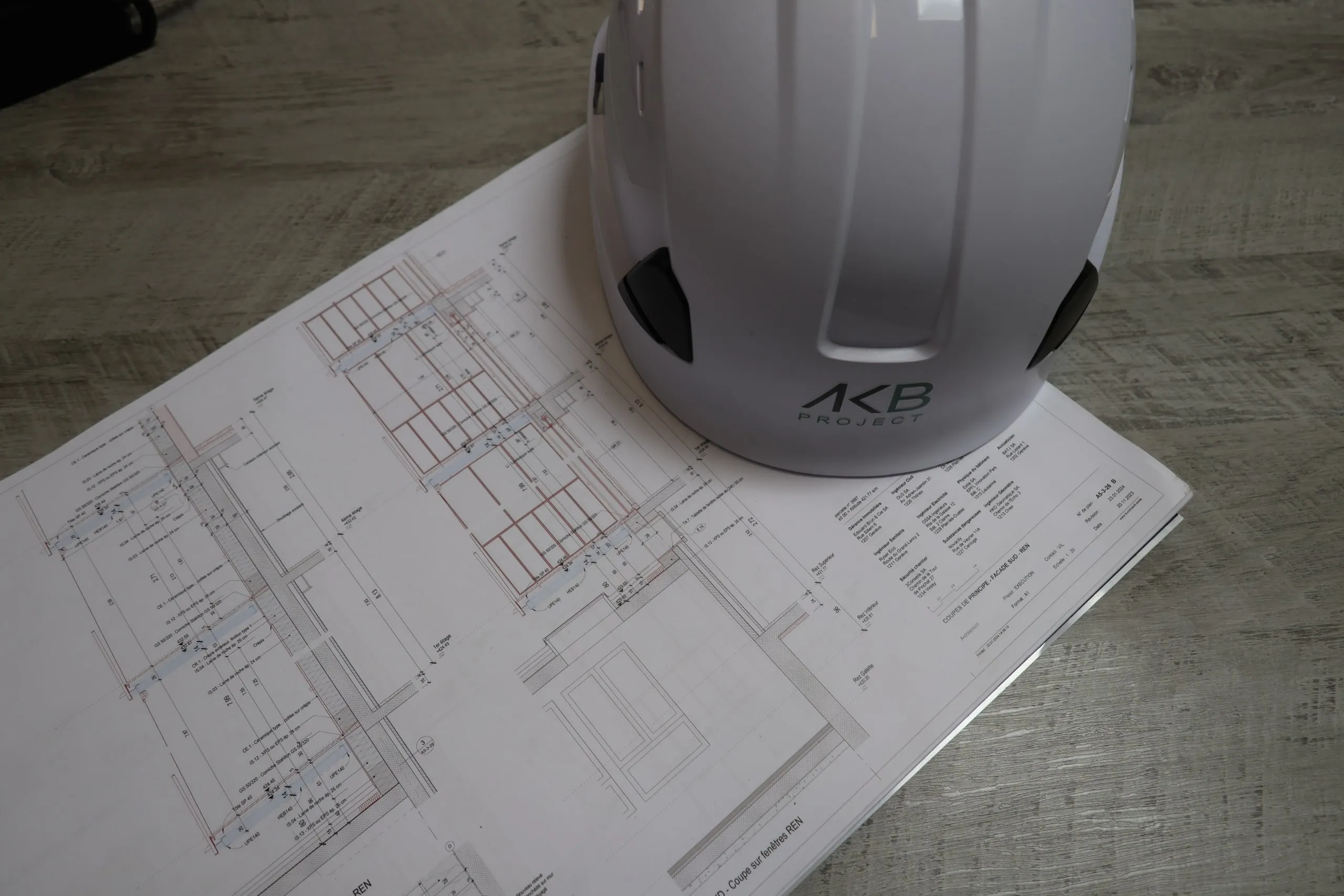
Tendering and contract award
A well-prepared contract award means works that start with no grey areas.
-
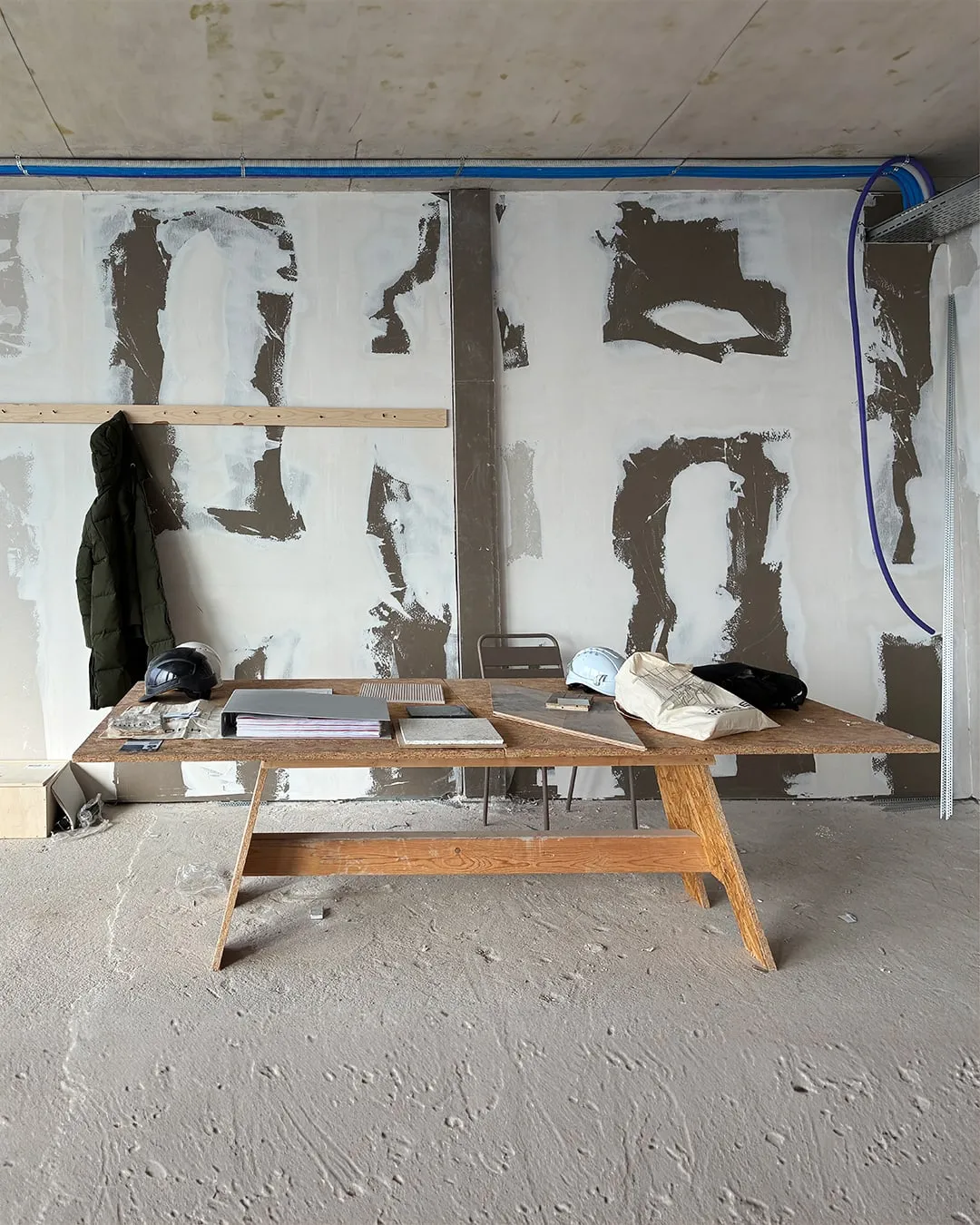
Construction management
The discipline AKB Project was founded on: we take operational responsibility for construction.